In order to understand the Catholic Church’s views on cremation, it is important to trace the evolution of its stance on the matter. Once firmly against the practice, the Church has modified its stance over time, reflecting changing societal norms and practical considerations.
Historically, the Catholic Church strongly preferred the traditional burial of the body and discouraged cremation. This preference was primarily due to the Church’s belief in the resurrection of the body, a cornerstone of Christian doctrine. The human body, seen as the Temple of the Holy Spirit, was to be treated with reverence and respect, even in death. The tradition of burying the dead also has biblical roots and ties to the burial and resurrection of Christ Himself.
Over time, cremation has become more common due to various factors, including economic considerations, environmental concerns, and shifts in societal norms. Recognizing these factors, the Catholic Church revised its Canon Law in 1963, lifting the prohibition on cremation. This decision was reinforced in 1983, with the Church stating that cremation does not deny faith in the resurrection and eternal life.
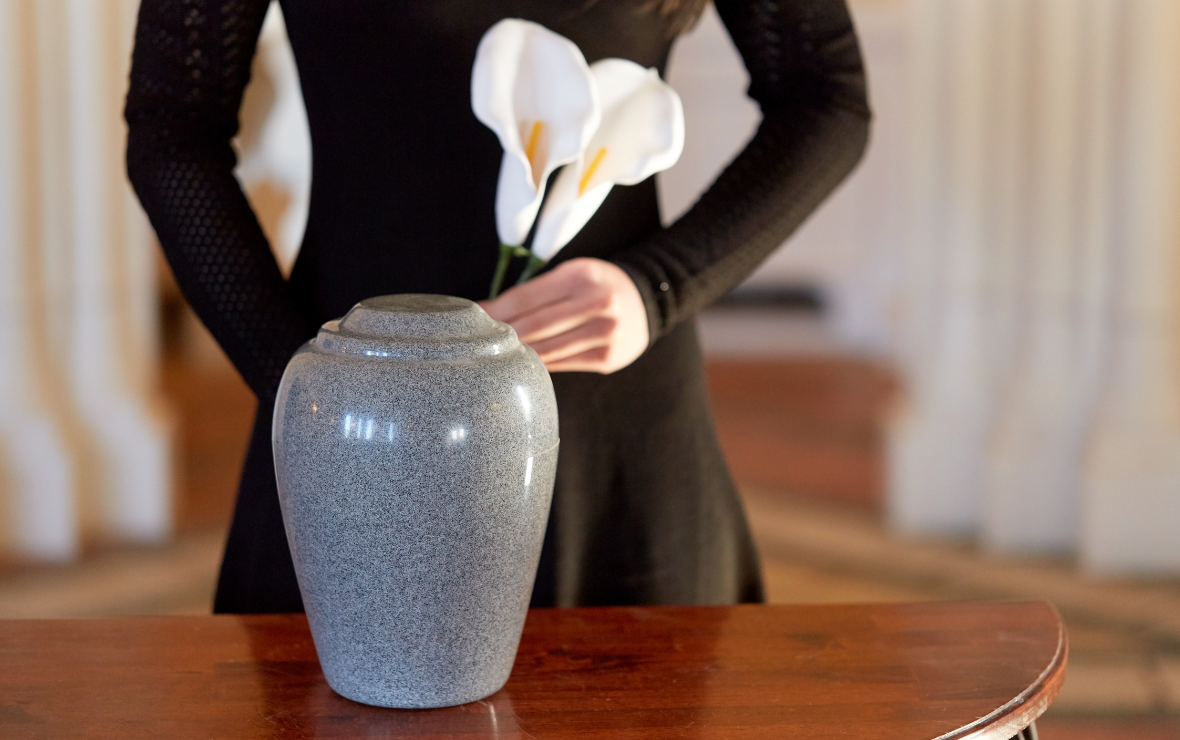
In 1987, the U.S. Bishops Conference of Catholic permitted cremated remains in Church to celebrate the Mass of Christian Burial. However, the Catholic Church still prefers the Mass to be celebrated with the body present and the cremation after the Mass. If this is not possible, the Church permits a Funeral Mass in the presence of the cremated remains.
The acceptance of cremation by the Church doesn’t mean it is devoid of guidelines or restrictions. While the Church now permits cremation, it still prefers the traditional full-body burial method, as it more closely aligns with the teaching of the resurrection of the body. If a Catholic chooses cremation, it must be done for reasons that align with the Christian faith and not out of a denial of the belief in bodily resurrection or the sacredness of the human body.
Moreover, the Church has clear directives on the respectful handling of cremated remains. The Vatican’s Congregation for the Doctrine of the Faith issued guidelines in 2016 stating that ashes must be kept in a sacred place, such as a cemetery or church columbarium. The scattering of ashes in the air, on land, or at sea, or keeping them at home is not permitted. This ensures that the remains of the deceased are treated with respect and are in a place where loved ones can visit and pray.
It’s important to note that cremation, when chosen, should not diminish the importance of Catholic funeral rites. These rites affirm the dignity of the deceased, express hope in the resurrection, and provide solace to the grieving. A funeral mass and prayers for the dead, whether cremated or full-body, affirm Catholic belief in the communion of saints, where the Church on earth remains in spiritual connection with those who have died.
These guidelines ensure that the shift in practice does not lead to a departure from core Catholic beliefs about life, death, and eternity.
At the Catholic Cemeteries Association, we understand that cremation burials may seem to limit memorial and burial options, but that’s not the case at all. We offer a variety of choices that can create a lasting memorial for your loved ones to visit. Our selection includes graves, mausoleums, community columbariums, private family columbariums, cremation pedestals, and cored granite boulders that have been specially designed to hold cremated remains. To learn more about our cremation products and services, please click here.
Written By: Paige Muttillo | Marketing Manager | Catholic Cemeteries Association




Leave a Reply to Understanding the Catholic Church’s Stance on Scattering Cremated Remains – Faith, Hope, and RemembranceCancel reply