Losing someone we love brings more decisions than most of us are prepared to make. Some are straightforward, while others take time. And when we’re grieving, it’s not always easy to know what will feel right in the years ahead.
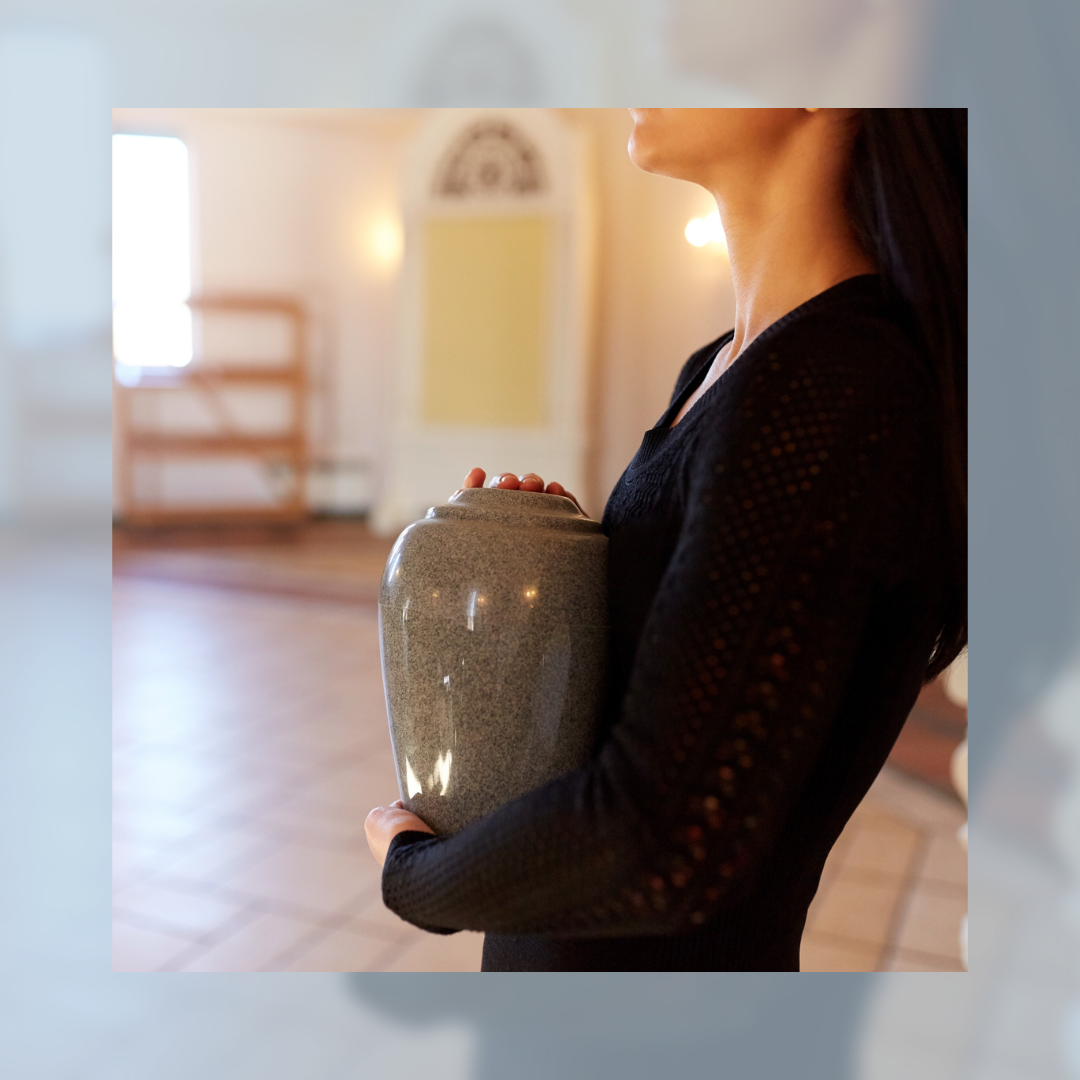
For families choosing cremation, one of those decisions is what to do with their loved one’s remains.
Some families choose to keep them at home. Others think about scattering them somewhere special or sharing them among family members. Often, these choices come from a desire to keep someone close or to honor a place that meant something to them.
It’s understandable. When we lose someone, we want to hold on to whatever connection we can.
But there is something worth considering: What feels comforting today may not be what we, or someone else in our family, need years from now.
What We’ve Learned About Grief
One thing we know about grief is that it changes.
In the beginning, we may be focused on getting through the day. Months or years later, we might find ourselves wanting to visit somewhere familiar, sit quietly, or feel connected to the person we’ve lost.
Sometimes that need comes unexpectedly. A birthday, an anniversary, a holiday, or even an ordinary Tuesday can bring back memories we thought we had learned to live with.
For some people, visiting a cemetery becomes part of how they remember. For others, visits are less frequent. Neither experience is right or wrong.
What matters is knowing that a place is there when we need it.
Its value is not in how often it is visited, but in the fact that it is there.

When Cremated Remains Are Kept at Home
Keeping a loved one’s cremated remains at home can feel like a natural decision, especially shortly after their death. After spending a lifetime with someone, the thought of placing their remains somewhere else can be difficult.
But life continues to change, even when we wish it wouldn’t.
Families move. Homes are sold. Children grow up and move away. The person who originally took responsibility for the remains may eventually pass away, leaving someone else to decide what happens next.
Sometimes families have never discussed those possibilities.
And sometimes, years later, they find themselves having to make decisions they weren’t expecting.
If you have cremated remains at home, perhaps you’ve wondered what will happen to them someday. Maybe you’ve thought about burial but haven’t felt ready to take that step.
You don’t have to have all the answers right now. But it may be worth talking with your family about what everyone would want in the future.

When Scattering Feels Meaningful
Many of us associate the people we love with certain places.
Maybe it’s a lake where the family spent every summer, a favorite vacation spot, or somewhere that holds years of happy memories.
It’s easy to understand why someone might want to scatter a loved one’s remains in a place like that.
But it’s also worth thinking about what that choice might mean later.
Will family members always be able to return? Will children and grandchildren know where to go? What if someone who wasn’t involved in the original decision wants a place to visit someday?
These questions aren’t meant to take away from the meaning of those special places. They’re simply things we may not think about when a loss is still so new.
For Catholics, there is also an important part of our faith to consider. The Church asks that cremated remains be buried or placed in a sacred location rather than scattered. This teaching reflects the dignity of the human body and our belief in the resurrection.

When Families Want to Share Cremated Remains
Grief can look very different from one family member to another.
One person may want to keep their loved one’s remains nearby, while another may feel strongly about burial. Someone else may not feel ready to discuss it at all.
When several people love and miss the same person, it’s natural for them to have different ideas about how to remember them.
Dividing cremated remains may seem like a way to give everyone something meaningful. But it can also lead to questions later about where those remains will eventually go and who will care for them.
The Catholic Church teaches that cremated remains should not be divided among family members. Instead, they should be kept together and laid to rest in a sacred place.
That guidance may be unfamiliar to some families, especially those who have never had to make these decisions before.
Understanding the Church’s teaching can be a helpful part of the conversation, even if it brings up questions you hadn’t considered.

Remembering That Grief Belongs to the Whole Family
When someone dies, the person making the arrangements often carries a great deal of responsibility. They may be a spouse, an adult child, a sibling, or another close relative.
And while that person may be making the immediate decisions, they aren’t necessarily the only one who will be affected by them.
Think about a grandchild who is too young to understand the loss today. Ten or fifteen years from now, that child may want to learn more about their grandparent or visit the place where they were laid to rest.
Or consider family members who live out of state. They may not be able to visit often, but knowing there is somewhere to go when they return can mean a great deal.
We can’t always know what our family members will need as they grieve. We may not even know what we’ll need ourselves.
That’s why these conversations matter.
They give everyone an opportunity to share what is important to them, ask questions, and think about the future together.

Why Having a Place Matters
There is something special about having a place to go when we miss someone.
It doesn’t have to involve a long visit or a particular tradition. Sometimes it’s bringing flowers on a birthday. Sometimes it’s stopping by after church. Other times, it’s simply sitting for a few minutes and talking to someone we wish were still here.
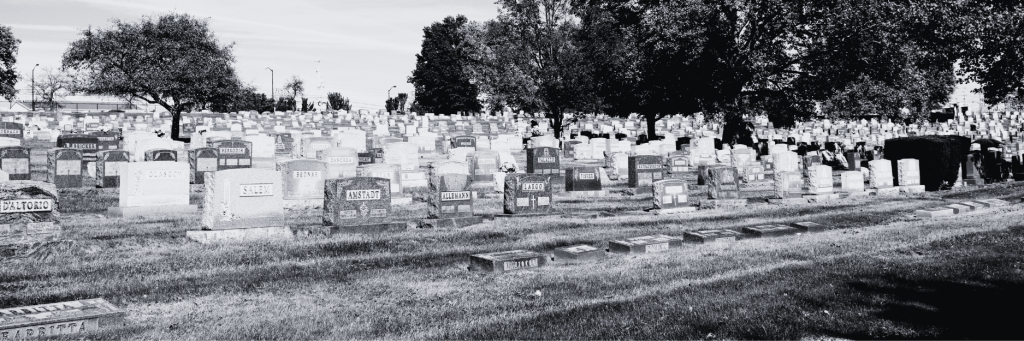
A cemetery gives families that opportunity.
It’s a place that holds a name, a life, and a story.
And it remains there for the people who come after us, including those who may never have had the chance to meet the person buried there.
As Catholics, we also recognize cemeteries as sacred places. They are places where we pray for the dead, remember the lives they lived, and hold on to our hope in eternal life.
In 2016, the Vatican issued Ad resurgendum cum Christo, an instruction that explains the Church’s guidance on cremation. While cremation is permitted, the Church teaches that cremated remains should ordinarily be laid to rest in a sacred place, such as a cemetery.
This isn’t simply about having a physical location. It’s about treating our loved ones with dignity, remembering them in prayer, and providing a place where others can do the same.

You Don’t Have to Make Every Decision Today
If you’re considering cremation, or if you’ve had a loved one’s cremated remains at home for several years, you may still have questions.
That’s okay.
Some families know exactly what they want. Others need more time, more information, or a conversation with someone who understands the options.
There may even be decisions you’ve put off because you weren’t sure where to begin.
At the Catholic Cemeteries Association, our Family Service Representatives speak with families in many different situations. Some are planning ahead. Others have recently experienced a loss. And some are returning to a decision they made years ago.
Whatever your circumstances, we’re here to listen, answer questions, and help you understand the options available to you.
You don’t need to be ready to make arrangements to start a conversation.
Sometimes it’s enough to ask a question, learn something new, or talk with your family about what matters most.
And when the time comes to make a decision, our hope is that you can do so with a little more understanding and peace of mind.
Because the decisions we make about our loved ones aren’t only about today. They’re also about the people who will remember them tomorrow.
If you have questions about laying a loved one’s cremated remains to rest, call us at (216) 641-7575 to speak with a Family Service Representative.
Written By: Paige Muttillo | Marketing & Communications Manager | Catholic Cemeteries Association



Leave a Reply