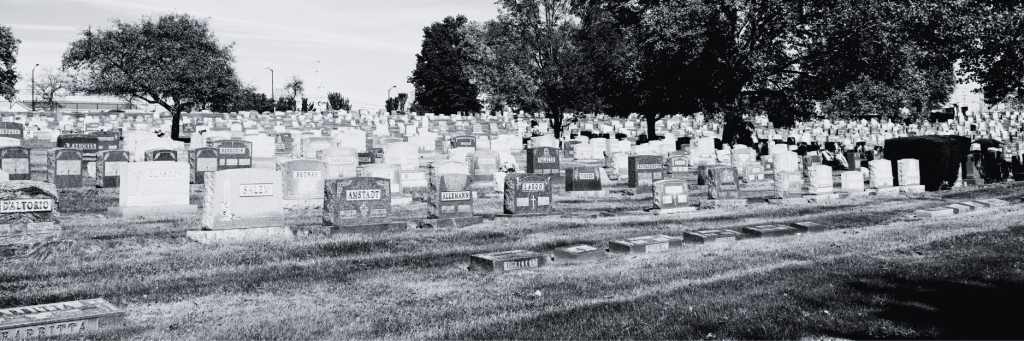

On October 17, 2026, communities across the country will recognize the first National Cremation Placement Day. Observed annually on the third Saturday in October, this day will encourage families to consider the importance of providing cremated remains with a permanent and dignified resting place.
As cremation has become more common, many families are left with an important question: What should we do with our loved one’s cremated remains?
Sometimes, an urn remains at home because a family is not ready to make a permanent decision. In other cases, cremated remains are passed from one generation to another without a clear plan. These situations are often rooted in love, uncertainty, or the desire to keep a loved one close. National Cremation Placement Day offers families a compassionate opportunity to revisit that decision—without judgment or pressure.
Why Permanent Placement Matters
A permanent resting place provides more than a secure location for cremated remains. It creates a lasting connection between a loved one, their family, and future generations.
When cremated remains are placed in a cemetery, families have a dedicated place to visit, pray, and remember. Children, grandchildren, and relatives who may never have met the person can still find their name, learn their story, and remain connected to their family history.
Permanent placement also helps ensure that cremated remains are protected and cared for long into the future. An urn kept at home may eventually be misplaced, damaged or inherited by someone who is unsure what to do with it. Choosing a cemetery provides peace of mind that a loved one’s remains will continue to be treated with dignity and respect.
Cremation and the Catholic Faith
The Catholic Church permits cremation when it is not chosen for reasons contrary to the Christian faith. However, the Church teaches that cremated remains should be treated with the same reverence given to the human body and placed in a sacred location, such as our Catholic cemeteries.
A Catholic cemetery is more than a place of burial. It is sacred ground where the faithful departed remain connected to the prayers of the Church and the community. Permanent placement reflects our belief in the dignity of every human life, the communion of saints and the promise of the resurrection.
Placing cremated remains in a cemetery does not mean leaving a loved one behind. Instead, it gives their memory a permanent home—a place where they can continue to be honored, visited, and remembered.
Meaningful Placement Options
Families have several options for the permanent placement and memorialization of cremated remains, including:
- Burial in a traditional cremation grave
- Placement in a columbarium niche
- Placement within a mausoleum
- Burial in an existing family grave, when permitted
Each option offers a meaningful way to honor a loved one’s life while creating a lasting place of remembrance. A memorial may also include the person’s name, dates, religious symbols or other details that help preserve their story.
It Is Never Too Late
Some families have kept a loved one’s cremated remains at home for months or even many years. If this describes your family, please know that it is never too late to choose a permanent resting place.
National Cremation Placement Day is not about questioning decisions made during a difficult time. It is an invitation to take the next step whenever your family feels ready. Making arrangements now can bring comfort, relieve uncertainty and ensure that future generations are not left with the responsibility of deciding what should happen.
Our Family Service Representatives are available to answer questions, explain placement options and help your family select a resting place that reflects your wishes, faith and budget.
This National Cremation Placement Day, we invite you to reflect on the importance of permanent memorialization. Every life deserves to be remembered, every person deserves to be treated with dignity and every family deserves a sacred place where love and memory can endure.
Written By: Paige Muttillo | Marketing & Communications Manager | Catholic Cemeteries Association



Leave a Reply